
|
Paul Whiteman's Orchestra was the most popular band of the 1920s.
They are also the most controversial
|
|
|
|
Perhaps more than anyone else, John Philip Sousa is responsible for
bringing the United States Marine Band
|
|
John Stafford Smith was born in 1750 and christened in Gloucester
Cathedral.After his education at the Cathedral School he was a
choir boy at the Chapel Royal London. He also studied under Dr. Boyce. He
gained a reputation as a fine organist and composer and gained membership
of the select Anachreonic Society. Member have included J.S.Bach, Henry
Purcell and James Boswell. In 1780 he composed the music to the societies constitutional song. It
was entitled " To Anachreon in Heaven ". It was inspired by a 6th
century Greek poet |
|
Our inventor this month is Adolphe Sax, who invented the saxophone
around 1840. He may well have been the first inventor |
|
With his grandfatherly image, Burl Ives parlayed his talent as a
folksinger into a wide - ranging career as a radio personality |
|
Wolfgang Amadeus Mozart was born in Salzburg, Austria on January 26,
1756. Though he did not begin to walk
|
|
Famous for being the leader of the most popular
big band during the Big Band Era, Glenn Miller is the music symbol of a Born on March 1, 1904, in Clarinda, Iowa, Miller grew up in a solid mid-western family. During Miller's early years, his family moved frequently to places such as North Platte, Nebraska, and Grant City, Missouri. While in Grant City, Miller milked cows to earn money to buy a trombone. After graduating from high school, Miller attended classes for two years at the University of Colorado. It was in college, that his interest in music flourished. He continued to play the trombone and also worked with Boyd Senter's band in Denver. At that point, Miller's love for music took over. He left the university and went to the west coast to try his luck as a musician. Miller played for several small bands until he joined Ben Pollack's orchestra in 1927. When Pollack's orchestra moved to New York, Miller left the band to pursue the many opportunities that the city offered including freelancing for other artists such as Red Nichols, Smith Ballew, and the Dorsey Brothers. In 1934, Miller helped Ray Noble start an orchestra, which soon became popular through its radio broadcasts. By 1937, Miller's own popularity among big band circles enabled him to form an orchestra of his own, which eventually disbanded. In 1938, Miller put together a second band. Although he struggled through the first two years, Miller's imagination, strong will, and determination kept "The Glenn Miller Orchestra" and their aspirations alive. In March 1939, the band had its first important engagement to play at the famous Glen Island Casino in a New York suburb. A second engagement at Meadowbrook in New Jersey soon followed. By mid-summer, the orchestra had achieved great popularity and demand through their radio broadcasts from both engagements. Some of the orchestra's classics include "Chattanooga Choo Choo," "String of Pearls," and "Moonlight Serenade." The band was featured in two films, Sun Valley Serenade (1941) and Orchestra Wives (1942). In October 1942, Miller disbanded his orchestra and joined the US Army Air Force with the rank of captain and assembled a quality dance band to perform for the troops. When the troops moved to England, Miller's band followed. On December 15, Miller got on a routine flight to Paris for a scheduled appearance for his band in that city. The plane never arrived. Miller's death was mourned by music lovers all over the world, and he was heralded as a hero worldwide. The movie The Glenn Miller Story was filmed in 1953 as a tribute to Miller. Miller's band was one of the most popular and best-known dance bands of the "Swing Era." His music, a careful mixture of swing, jazz, and improvisation, gained the admiration and praise of audiences and critics alike. Glenn Miller and his orchestra's magnificent music will be always remembered by those who enjoy the beautiful sounds they produced. |
|
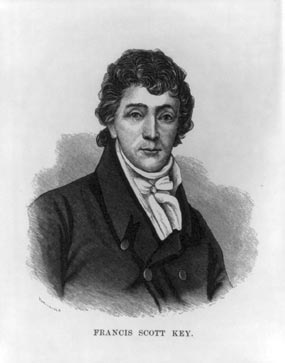
Francis Scott Key was a respected young lawyer living in Georgetown just west of where the modern day Key Bridge crosses the Potomac River (the house was torn down after years of neglect in 1947). He made his home there from 1804 to around 1833 with his wife Mary and their six sons and five daughters. At the time, Georgetown was a thriving town of 5,000 people just a few miles from the Capitol, the White House, and the Federal buildings of Washington. But, after war broke out in 1812 over Britian's attempts to regulate
American shipping and other activities while Britain was at war with
France, all was not President James Madison,his wife Dolley, and his Cabinet had already fled to a safer location. Such was their haste to leave that they had had to rip the Stuart portrait of George Washington from the walls without its frame! A thunderstorm at dawn kept the fires from spreading. The next day more buildings were burned and again a thunderstorm dampened the fires. Having done their work the British troops returned to their ships in and around the Chesapeake Bay. In the days following the attack on Washington, the American forces prepared for the assault on Baltimore (population 40,000) that they knew would come by both land and sea. Word soon reached Francis Scott Key that the British had carried off an elderly and much loved town physician of Upper Marlboro, Dr. William Beanes, and was being held on the British flagship TONNANT. The townsfolk feared that Dr. Beanes would be hanged. They asked Francis Scott Key for his help, and he agreed, and arranged to have Col. John Skinner, an American agent for prisoner exchange to accompany him. On the morning of September 3rd, he and Col. Skinner set sail from Baltimore aboard a sloop flying a flag of truce approved by President Madison. On the 7th they found and boarded the TONNANT to confer with Gen. Ross and Adm. Alexander Cochrane. At first they refused to release Dr. Beanes. But Key and Skinner produced a pouch of letters written by wounded British prisoners praising the care they were receiving from the Americans, among them Dr. Beanes. The British officers relented but would not release the three Americans immediately because they had seen and heard too much of the preparations for the attack on Baltimore. They were placed under guard, first aboard the H.M.S. Surprise, then onto the sloop and forced to wait out the battle behind the British fleet. Now let's go back to the summer of 1813 for a moment. At the star-shaped Fort McHenry, the commander, Maj. George Armistead, asked for a flag so big that "the British would have no trouble seeing it from a distance". Two officers, a Commodore and a General, were sent to the Baltimore home of Mary Young Pickersgill, a "maker of colours," and commisioned the flag. Mary and her thirteen year old daughter Caroline, working in an upstairs front bedroom, used 400 yards of best quality wool bunting. They cut 15 stars that measured two feet from point to point. Eight red and seven white stripes, each two feet wide, were cut. Laying out the material on the malthouse floor of Claggett's Brewery, a neighborhood establishment, the flag was sewn together. By August it was finished. It measured 30 by 42 feet and cost $405.90. The Baltimore Flag House, a museum, now occupies her premises, which were restored in 1953. At 7 a.m. on the morning of September 13, 1814, the British bombardment began, and the flag was ready to meet the enemy. The bombardment continued for 25 hours,the British firing 1,500 bombshells that weighed as much as 220 pounds and carried lighted fuses that would supposedly cause it to explode when it reached its target. But they weren't very dependable and often blew up in mid air. From special small boats the British fired the new Congreve rockets that traced wobbly arcs of red flame across the sky. The Americans had sunk 22 vessels so a close approach by the British was not possible. That evening the connonading stopped, but at about 1 a.m. on the 14th, the British fleet roared to life, lighting the rainy night sky with grotesque fireworks. Key, Col. Skinner, and Dr. Beanes watched the battle with apprehension. They knew that as long as the shelling continued, Fort McHenry had not surrendered. But, long before daylight there came a sudden and mysterious silence. What the three Americans did not know was that the British land assault on Baltimore as well as the naval attack, had been abandoned. Judging Baltimore as being too costly a prize, the British officers ordered a retreat. Waiting in the predawn darkness, Key waited for the sight that would end his anxiety; the joyous sight of Gen. Armisteads great flag blowing in the breeze. When at last daylight came, the flag was still there! Being an amateur poet and having been so uniquely inspired, Key began to write on the back of a letter he had in his pocket. Sailing back to Baltimore he composed more lines and in his lodgings at the Indian Queen Hotel he finished the poem. Judge J. H. Nicholson, his brother-in-law, took it to a printer and copies were circulated around Baltimore under the title "Defence of Fort M'Henry". Two of these copies survive. It was printed in a newspaper for the first time in the Baltimore Patriot on September 20th,1814, then in papers as far away as Georgia and New Hampshire. To the verses was added a note "Tune: Anacreon in Heaven." In October a Baltimore actor sang Key's new song in a public performance and called it "The Star-Spangled Banner". Immediately popular, it remained just one of several patriotic airs until it was finally adopted as our national anthem on March 3, 1931. But the actual words were not included in the legal documents. Key himself had written several versions with slight variations so discrepancies in the exact wording still occur. The flag, our beloved Star-Spangled Banner, went on view ,for the first time after flying over Fort McHenry, on January 1st,1876 at the Old State House in Philadelphia for the nations' Centennial celebration. It now resides in the Smithsonian Institution's Museum of American History. An opaque curtain shields the now fragile flag from light and dust. The flag is exposed for viewing for a few moments once every hour during museum hours. Francis Scott Key was a witness to the last enemy fire to fall on Fort McHenry. The Fort was designed by a Frenchman named Jean Foncin and was named for then Secretary of war James McHenry. Fort McHenry holds the unique designation of national monument and historic shrine. Since May 30th, 1949 the flag has flown continuously, by a Joint Resolution of Congress, over the monument marking the site of Francis Scott Key's birthplace, Terra Rubra Farm, Carroll County, Keymar, Maryland. The copy that Key wrote in his hotel September 14,1814, remained in the Nicholson family for 93 years. In 1907 it was sold to Henry Walters of Baltimore. In 1934 it was bought at auction in New York from the Walters estate by the Walters Art Gallery, Baltimore for $26,400. The Walters Gallery in 1953 sold the manuscript to the Maryland Historical Society for the same price. Another copy that Key made is in the Library of Congress. |
|
Haydn is undeniably the most neglected of the three great composers of
the Classical period. Although he was one of the |
|
Lionel Hampt |
|
William Christopher Handy, the "Father of the Blues," was born November
16, 1873, in a tiny log cabin on the west
"I think America concedes that (true American music) has sprung from
the Negro," Handy once said.
"When we take these things that are our own, and develop them until they
are finer things, that's pure culture. You've got to appreciate the things
that come from the art of the Negro and from the heart of the man farthest
down." Music was irresistibly rooted in Handy's soul. In spite of his father's
vehement protests, Handy saved enough money to buy a cornet and announced
he would pursue the life of a professional musician.
Running away from home at the age of 18, Handy embarked on a musical
odyssey that carried him away from the rural atmosphere of his native
Florence and into the harsh urban surroundings of Chicago, St. Louis,
Memphis and New York. "That's the secret of most of my blues," Handy once said. "They cover
geographical sites, like `Atlanta Blues,' Memphis, St. Louis, Beale
Street, other territories." Over the next few years, Handy helped cultivate a musical sound that
proved to be both mournful and invigorating - a sound the young musician
would simply call "the blues." The composer once described the emotional
texture of his music as "the sound of a sinner on revival day."
"I wrote in Negro dialect," Handy explained, "to preserve something that I
think is at times more beautiful than pure English - the way the Negro
used to sing his spirituals."
In the early years of the 20th century, the aspiring musician arrived in
Memphis, where he was commissioned to pen a political theme song, "Mr.
Crump." The composition would later serve as the prototype for Handy's
classic standard, "Memphis Blues" (1912).
"There's something about the `Memphis Blues,'" Handy once observed. "It
doesn't make as much money as the `St. Louis Blues.' But when I hear it,
when I play it, smoke gets in my eyes. There's something beautiful about
it. There's something deep in it." Handy's most famous composition, "St. Louis Blues" (1914), was written
after his band traveled to Chicago for the World's Fair, only to find that
the fair had been postponed. "Our quartet sang its way to St. Louis," Handy recalled, "looking for
work, which we couldn't get. And we disbanded. Music did bring me to the
gutter. It brought me to sleep on the levee of the Mississippi River, on
the cobblestones, broke and hungry." As night descended over the waterfront, Handy overheard a fellow outcast
moan, "I hate to see that evenin' sun go down."
Those melancholy words of despair haunted Handy's dreams, inspiring him to
open his classic signature tune - "St. Louis Blues" - with that same
heartbreaking lament. "All of this hardship went into one song one night," Handy said, "and if
you've ever slept on cobblestones or had nowhere to sleep, you can
understand why I began this song with, `I hate to see that evenin' sun go
down.'" Handy later created the "Yellow Dog Blues," "Joe Turner Blues" and "Beale
Street Blues." In all, the composer wrote some 40 songs that he personally
classified as "blues." "The adjective `blue' may be taken literally, as indicating a melancholy
state of mind, and perhaps a majority of the real blues would suggest that
atmosphere," Handy explained in "The Origin of the Blues," an article
published in Music Journal. |
|
LIKE THE Olympic torch carried every year, the legacy of
classical music goes on: from Bach to Haydn to Mozart, and later |
|
Edward Kenne As a boy, Duke liked to draw. He and his family had predicted he would go to college specializing in art. He wasn't interested in finer things such as refined dancing and the piano. He was more-so into boyish games like open-lot baseball but his mother still had him take piano lessons. After about two months of this, his parents decided that it was a waste of time and money to keep getting him lessons while he wasn't interested in the piano. Duke Ellington's interest in music came when he was 13 years old. He also became interested in things like girls and parties. He then realized that anyone who could play music, especially the piano, was likely to be popular and be invited to parties. He started taking lessons again. Things changed once again. Most kids his age who wanted to sharpen their musical skills would have asked their parents for music lessons, but this was not Duke's way. He was too proud to put himself under the authority of a teacher. He didn't want anyone telling him how to go about doing things. So instead of getting a proper music teacher and putting in many hours practicing scales and finger cycles, he went out looking for shortcuts, and one place he looked was Frank Holliday's poolroom, which happened to be next door to the Howard Theater, one of the most famous black theaters in the United States. Holliday's poolroom attracted all sorts of people who wanted a place to hang out: lawyers, gamblers, champion pool shooters as well as youngsters like Duke Ellington. And the entertainers from the Howard Theater found it a convenient place for them to go between shows. Among these entertainers were a number of very fine pianists who could sight read anything in a split second, or those who played by ear who nonetheless had their own tricks and stunts. Oliver "Doc" Perry would occasionally ask Duke to his house to teach him things about the piano that would help improve his playing and technique. Another pianist who helped was Henry Grant who taught music at the high school Duke attended. Ellington's popularity came when he played at a Senior's dance at his high school, faking as a piano player. He played his first composition, "What You Gonna Do When the Bed Breaks Down?" When he finished, the crowd was hooting and yelling for more. He didn't have anything else to play so he switched up the version and style of the same composition. That night, the song became a hit, which began the popularity and fame of Duke Ellington. Once when Duke was on vacation with relatives he was told of a young pianist in Philadelphia, Harvey Brooks. Harvey was known as a "monster" on the piano and so Duke was told that one day while he was away, he ought to hear him play. On his way back to Washington D.C. from New York, he took advantage of the offer. Brook's swing caught Duke's ear, which he insisted on incorporating into his own work. The experience inspired him to want to continue to play and be the best. Duke Ellington's first gig was a sit-in for a pianist at Frank Holliday's poolroom. The gig was paying one-hundred dollars, Duke was to keep ten and give the pianist the other ninety. Getting a taste of his first gig, he began looking through the yellow pages. He noticed one advertising a barn dance. He set up the gig, but was later called and told to cancel all arrangements. The dance was on the second floor of the barn and there was no way they could get a piano up there! This wasn't enough to stop the Duke. He arranged it so that he would pretend to strum a guitar behind the volume of the band. He got away with it. Duke Ellington was a human being. And like all human beings, he made mistakes and wrong choices. There were obstacles he had to overcome. He didn't graduate with his class and so he couldn't go to the Pratt Art Institute in Brooklyn, New York on the scholarship that was offered to him. The main reason for this was that he had fell in love with a girl from his school named Edna Thompson. In 1918, they had a baby, Mercer Ellington. This forced Duke to have to find a way to make a living for his new family. He had a member of his group start a sign-painting business. Duke Ellington died on May 24, 1974. The jazz world suffered a major loss. His career as a jazz musician brought him fame in not only American culture, but African American heritage. He has traveled around the globe with his big band and orchestra. Along the way, he's written over 2,000 songs and compositions, ranging from jazz to classical music to his famous sacred pieces. |
|
Nat King Cole had two overlapping careers. He
was one of the truly great swing pianists, inspired by Earl Hines and a
big |
|
This great American song and dance man spent 56 of
his 64 years on the stage. During his lifetime, he wrote 40 plays, George had only a mild taste of public school education, as well as just a few lessons on the violin. The theater became his school, - and he was an apt pupil. He appeared in one of his parent's stage sketches as a 'prop' while still an infant. When he was nine years old, he became a member of the act, with his sister Josephine joining him just one year later. Now, the act was officially billed as The Four Cohans. George would do sentimental recitations; a bootblack specialty, and often perform a "buck and wing dance." By age 11, he was writing special material, and by age 13 he was writing songs and lyrics for the act. He was just 16 years old when in 1894, he sold his first song to Witmark Music Publishing. 'The Four Cohans' were now 'headliners' commanding a $1000.00 per week. George was writing the songs and the sketches; He became the starring actor. He was also selling original songs and sketches to other acts. And, he topped this all by managing the family's business affairs. He was now 20 years of age, and in complete control of the act. Isidore Witmark, in his autobiography, has pointed out that the young (and also the mature) George Cohan was an opinionated, brash, cocky youngster with a very high opinion (justified) of his own gifts. In 1899, George married his first wife, Ethel Levey, a popular singing comedienne. She became the 'fifth' Cohan in the act. Cohan now began to turn his attention to the Broadway Musical Comedy stage. In 1904, George and Sam Harris formed a partnership that was destined to become one of Broadway's most successful producing firms. 1904, Cohan's 'Little Johnny Jones' opened on Broadway, with Cohan playing the role of a jockey. It became a huge hit. In 1917, Cohan composed his greatest hit song. America had just entered World War 1. Cohan was living in New Rochelle ("Forty-Five Minutes From Broadway"). On the train down to New York, he thought of a song. Cohan has said "I read those war headlines, and I got to thinking and humming to myself, and for a minute, I thought I was going to dance. I was all finished with both the chorus and the verse by the time I got to town, and I also had a title." The title was "Over There". Charles King introduced the song in the New Amsterdam Theater in 1917; the Nora Bayes recording made it a national hit. 25 years later, Congress authorized President Franklin Delano Roosevelt to present the Congressional Medal of Honor for this war song. In 1919, Actor's Equity called a strike in an effort to gain recognition as bargaining agent for it's membership. This strike closed the Broadway theaters. As a producer, Cohan was affected. He took it badly. Many of the people who aligned themselves with Equity, were folks whom Cohan had helped with their careers. He became quite bitter, lost his enthusiasm, even broke up the successful Cohan-Harris partnership, and retired from show business. He even cancelled his memberships in the Friar's Club and The Lambs. (Two Broadway organizations.) But show people can no longer stay away from the stage, than composers can stay away from music. After some rest and travel, Cohan returned to Broadway. In was in 1942, while Cohan was recovering from an abdominal operation, that he paid his last respects to Broadway. He asked his nurse to accompany him on a taxi ride from Union Square (14th Street) up to Times Square (42nd Street), stopping briefly at the Hollywood Theater, to watch some scenes from 'Yankee Doodle Dandy'. Cohan was taking one last look at all the places he had worked and starred. He was never to see Broadway again. George M. Cohan died on Nov. 5, 1942. President Roosevelt wired "A beloved figure is lost to our national life." |
|
Eubie Blake, ragtime composer and performer, was born on February
7,1883 in Baltimore, Md. When he was around four |
|
With a life that spanned more than 100 years and a catalogue that
boasted over 1000 songs, Irving Berlin epitomized Jerome Among the Hollywood movie musical classics with scores by Irving Berlin are Top Hat, Follow The Fleet, On The Avenue, Alexander's Ragtime Band, Holiday Inn, This Is The Army, Blue Skies, Easter Parade, White Christmas and There's No Business Like Show Business. His songs have provided memorable moments in dozens of other films, from The Jazz Singer to Home Alone. Among his many awards were a special Tony Award (1963) and the Academy Award for Best Song of the Year (White Christmas) in 1942. An intuitive business man, Irving Berlin was a co-founder of ASCAP, founder of his own music publishing company, and, with producer Sam Harris, built his own Broadway Theatre, the Music Box. An unabashed patriot, his love for, and generosity to, his country is legendary. Through many of his foundations, including the God Bless America Fund and This Is The Army Inc. he donated millions of dollars in royalties to Army Emergency Relief, the Boy and Girl Scouts and other organizations. Irving Berlin's centennial in 1988 was celebrated world-wide, culminating in an all-star tribute at Carnegie Hall featuring such varied luminaries of the musical world as Frank Sinatra, Leonard Bernstein, Isaac Stern, Natalie Cole and Willie Nelson. On September 22nd 1989, at the age of 101, Berlin died in his sleep in New York City. |
|
Count Basie
Throughout his career, the name of Count Basie was synonymous with
swing. Basie, whose influence remains huge over a But Count Basie was really an institution by himself. Born as William Basie in 1904, he played for silent movies, learned from the great stride pianist of New York and played the vaudeville circuit. Stranded in Kansas City in 1927, he soon joined Walter Page’s Blue Devils (the best small group in the city) and eventually became the main pianist with Bennie Moten’s Kansas City Orchestra. After Moten’s premature death in 1935, Basie formed his own group (known originally as The Barons of Rhythm) and was based in Kansas City’s Reno Club. By 1937, the Count Basie band had caught on. Basie’s orchestra could hold its own against any other swing band. Its theme "One O’Clock Jump"; soon became widely recorded and "Jumpin’ at the Woodside" became a standard. In the 1940s, the band’s arrangements became more formalized. Bad money management and the change in the public’s musical taste led Basie to reluctantly break up his orchestra at the end of 1949 and use a small group for the next two years. In 1952, during a period when very few jazz orchestras were being formed, Count Basie put together what became known as his New Testament band. Against all odds, Basie’s orchestra caught on, especially after recording "April in Paris"; in 1954. It was the arrangements and the sound of the swinging ensembles that were emphasized. Although there was a lot of turnover in the 1960s, the Basie sound never changed and the orchestra did not decline nor stop travelling. A series of indifferent commercial records in the mid-to-late ‘60’s were far inferior to the band’s live performances. But, when Basie renewed ties with producer Norman Grantz in the 1970s and signed with Pablo Records, his recordings were greatly improved. Count Basie’s health gradually failed in the 1980s and his death at the age of 80 was greatly mourned. However, his orchestra became the only viable ghost band in jazz history. |
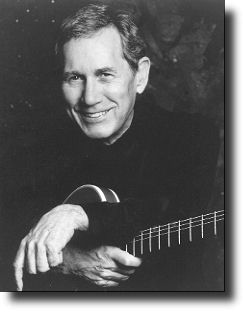
Though revered by a legion of highly respected guitarists, running the gamut from Paul McCartney to Eric Clapton, Chet’s list of accomplishments hardly stops there. After leaving his poverty-stricken home in eastern Tennessee, Chet landed a series of radio station jobs. At radio station WNOX in Knoxville, Chet made his first recording backing a group that would later become the Oak Ridge Boys. By 1946 he made his debut on RCA Records, a relationship that would last over three decades with Chet recording over 75 albums. Impressed with his eye and ear for raw, undiscovered talent, Chet was tapped to head RCA’s A&R department where he produced or guided a Who’s Who list of legendary greats. Serving as producer for Elvis Presley early in the singer’s career, Chet went on to arrange and play on such acts as the Everly Brothers, Roy Orbison, Perry Como, Waylon Jennings, Willie Nelson, Dolly Parton, Jim Reeves, Eddy Arnold, Jerry Reed, Charley Pride, Dottie West and Don Gibson. Long regarded as one of a handful of musical architects for his pivotal role in creating what became known as the Nashville Sound, he soon was shaping the sound of rock-n-roll as well as country music. Throughout the years, Chet has remained one of the most in-demand session guitarists in Nashville history and has collaborated with such contemporary artists as Dire Straits frontman Mark Knopfler on the Grammy award-winning Neck & Neck album, Paul McCartney (who has credited Chet for being a major influence on the Beatles), jazz great Earl Klugh, pop star George Benson, country diva Dolly Parton and red-hot Suzy Bogguss. On the chart-topping Rhythm, Country and Blues project, Chet is paired with New Orleans great Alan Toussaint for one of the album’s most critically acclaimed tracks. Chet moved to Columbia Records in 1982 and began recording albums with a renewed spirit as evidenced by his groundbreaking Stay Tuned album featuring such lofty musical counterparts as George Benson, Larry Carlton, Mark Knopfler and Earl Klugh which was followed by a Cinemax special "A Session With Chet Atkins, C.G.P." Always a respected musician in any genre of music, Chet’s influence has spanned several musical formats. It was his genre-defying artistry that earned Chet over 25 major awards including nine Grammy awards and Guitar Player magazine’s "Popular Music’s Most Influential Stylist" -- and awesome achievement by anyone’s standards. A new era in the Atkins legacy has emerged with Chet’s landmark effort, Read My Licks, a tantalizing taste of his signature country styling and unequaled shadings of jazz and rock that is sure to further his standing as a Musician’s Musician. Collaborating with a potpourri of gifted and widely diverse artists ranging from country songstress Suzy Bogguss. (on the lilting "After You’ve Gone"), Chet Atkins protégé and current charttopper Steve Wariner (the title track), Dire Straits frontman Mark Knopfler ("Around The Bend"), rock guitar virtuoso Eric Johnson ("Somebody Love Me Now") and George Benson (the jazz-infused "Dream"). "I’ve never been satisfied with the way I play and sound so I strive continually to try and get it right," says Chet with his unfathomable but genuine modesty. "I’m glad I’m that way. What excites me about this album is the musicians--they are the very best. I love to play with people of that caliber." And as Chet Atkins reaffirms his indelible influence on American music with Read My Licks, he’s living proof that his genuine musical genius is without peer and that great music remains forever fashionable. |
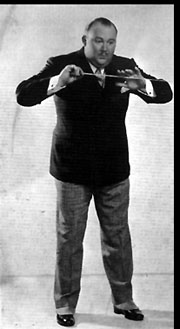 to Jazz
historians because Whiteman billed himself as "The King Of Jazz". His
Orchestra rarely played real Jazz, despite having some of the great White
Jazz soloists of the 1920s in his band. For the most part Whiteman played
commercial dance music and semi-classical works. Jazz critics almost
universally dislike his music, but he had his moments. Whiteman started as
classical viola player. He played with the San Francisco Symphony and he
lead a band for the Navy during World War One. After the war He formed the
Paul Whiteman Orchestra at the Fairmont Hotel in San Francisco. He moved
to New York in 1920 and made his first record Whispering / The Japanese
Sandman which sold over two million copies and made Whiteman a star. In
1924 he secured his place in history when he commissioned and introduced
George Gershwin's Rhapsody In Blue. The song became the bands signature
tune. Whiteman hired a virtual who's who of White Jazz musicians of the
1920s for his orchestra, such as Red Nichols, Tommy Dorsey, Frankie
Trumbauer, Joe Venuti, Eddie Lang, and in 1927, Bix Beiderbecke. Bix left
the band in 1929 after having a nervous breakdown. Singer, Bing Crosby got
his start with Whiteman's vocal trio the Rhythm Boys. In 1930 Whiteman
starred in the movie "The King of Jazz". Whiteman paid his
musicians the
highest salaries in the business and was generally well liked by them. In
the 1930s the orchestra featured Bunny Berigan, Trumbauer and Jack
Teagarden, but as the decade wore on Whiteman's popularity declined.
During the 1940s and 1950s, Whiteman worked as musical director for the
American Broadcasting Company (ABC), but reformed his orchestra from time
to time during those decades. In the early Sixties Whiteman played in Las
Vegas before retiring.
to Jazz
historians because Whiteman billed himself as "The King Of Jazz". His
Orchestra rarely played real Jazz, despite having some of the great White
Jazz soloists of the 1920s in his band. For the most part Whiteman played
commercial dance music and semi-classical works. Jazz critics almost
universally dislike his music, but he had his moments. Whiteman started as
classical viola player. He played with the San Francisco Symphony and he
lead a band for the Navy during World War One. After the war He formed the
Paul Whiteman Orchestra at the Fairmont Hotel in San Francisco. He moved
to New York in 1920 and made his first record Whispering / The Japanese
Sandman which sold over two million copies and made Whiteman a star. In
1924 he secured his place in history when he commissioned and introduced
George Gershwin's Rhapsody In Blue. The song became the bands signature
tune. Whiteman hired a virtual who's who of White Jazz musicians of the
1920s for his orchestra, such as Red Nichols, Tommy Dorsey, Frankie
Trumbauer, Joe Venuti, Eddie Lang, and in 1927, Bix Beiderbecke. Bix left
the band in 1929 after having a nervous breakdown. Singer, Bing Crosby got
his start with Whiteman's vocal trio the Rhythm Boys. In 1930 Whiteman
starred in the movie "The King of Jazz". Whiteman paid his
musicians the
highest salaries in the business and was generally well liked by them. In
the 1930s the orchestra featured Bunny Berigan, Trumbauer and Jack
Teagarden, but as the decade wore on Whiteman's popularity declined.
During the 1940s and 1950s, Whiteman worked as musical director for the
American Broadcasting Company (ABC), but reformed his orchestra from time
to time during those decades. In the early Sixties Whiteman played in Las
Vegas before retiring.
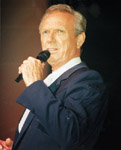 Country
music great Mel Tillis started his performing career in the early 1950's
with a group called the Westerners while serving as a baker in the United
States Air Force, stationed in Okinawa, Japan.In 1956, Webb Pierce's recording of Mel's song "I'm Tired" launched his
musical career.
In 1976, Mel was inducted into the Nashville Songwriters International
Hall of Fame, and that same year was named the Country Music Association's
Entertainer of the Year.
Mel's songs have been recorded by such artists as Brenda Lee, Charley
Pride and Ricky Skaggs, The Oak Ridge Boys, George Strait, and Kenny
Rogers' version of "Ruby, Don't Take Your Love to Town".
Mel's most recent release is a gospel album entitled "Beyond the Sunset",
which has already brought him an Album of the Year award.
Born in Tampa and raised in Pahokee, Florida, Mel has appeared in more
than a dozen feature films including "Every Which Way but Loose" with
Clint Eastwood, "W.W. & the Dixie Dancekings", "Cannonball Run" I and II,
and "Smokey and the Bandit II" with Burt Reynolds, and the lead with Roy
Clark in "Uphill All the Way".
Most recently Mel filmed "Bandit: Must Be Country" which is the first of
four action comedies inspired by the blockbuster hit film "Smokey and the
Bandit". He has starred in several television movies, among them "Murder
in Music City" and "A Country Christmas Carol".
Mel has also appeared on such television shows as 20/20, The Tonight Show,
Music City Tonight, 60 Minutes, and countless others.
Country
music great Mel Tillis started his performing career in the early 1950's
with a group called the Westerners while serving as a baker in the United
States Air Force, stationed in Okinawa, Japan.In 1956, Webb Pierce's recording of Mel's song "I'm Tired" launched his
musical career.
In 1976, Mel was inducted into the Nashville Songwriters International
Hall of Fame, and that same year was named the Country Music Association's
Entertainer of the Year.
Mel's songs have been recorded by such artists as Brenda Lee, Charley
Pride and Ricky Skaggs, The Oak Ridge Boys, George Strait, and Kenny
Rogers' version of "Ruby, Don't Take Your Love to Town".
Mel's most recent release is a gospel album entitled "Beyond the Sunset",
which has already brought him an Album of the Year award.
Born in Tampa and raised in Pahokee, Florida, Mel has appeared in more
than a dozen feature films including "Every Which Way but Loose" with
Clint Eastwood, "W.W. & the Dixie Dancekings", "Cannonball Run" I and II,
and "Smokey and the Bandit II" with Burt Reynolds, and the lead with Roy
Clark in "Uphill All the Way".
Most recently Mel filmed "Bandit: Must Be Country" which is the first of
four action comedies inspired by the blockbuster hit film "Smokey and the
Bandit". He has starred in several television movies, among them "Murder
in Music City" and "A Country Christmas Carol".
Mel has also appeared on such television shows as 20/20, The Tonight Show,
Music City Tonight, 60 Minutes, and countless others.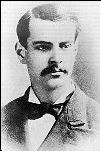 to
an unprecedented level of excellence: a standard upheld by every Marine
Band Director since. Sousa grew up with the Marine Band, and his intimate
knowledge of the band coupled with his great ability provided the ideal
medium to showcase the marches which would earn him the title, the "March
King." Sousa was born November 6, 1854, at 636 G Street, SE, Washington, DC,
near the Marine Barracks where his father, Antonio, was a musician in the
Marine Band. He received his grammar school education in Washington and
for several of his school years enrolled in a private conservatory of
music operated by John Esputa, Jr. There he studied piano and most of the
orchestral instruments, but his first love was the violin. John Philip
Sousa gained great proficiency on the violin, and at the age of 13 he was
almost persuaded to join a circus band. However, his father intervened and
enlisted him as an apprentice musician in the Marine Band. Except for a
period of six months, Sousa remained in the band until he was 20. In addition to his musical training in the Marine Band, he studied
music theory and composition with George Felix Benkert, a noted Washington
orchestra leader and teacher. After his discharge from the Marine Corps, Sousa remained in Washington
for a time, conducting and playing the violin. He toured with several
traveling theater orchestras and moved, in 1876, to Philadelphia. There he
worked as a composer, arranger, and proofreader for publishing houses.
Sousa was fascinated by the operetta form and toured with a company
producing the musical Our Flirtation, for which he wrote the
incidental music and the march. While on tour in St. Louis, he received a
telegram offering him the leadership of the Marine Band in Washington. He
accepted and reported for duty on October 1, 1880, becoming the band’s
17th Leader. The Marine Band was Sousa’s first experience conducting a military
band, and he approached musical matters unlike most of his predecessors.
He replaced much of the music in the library with symphonic transcriptions
and changed the instrumentation to meet his needs. Rehearsals became
exceptionally strict, and he shaped his musicians into the country’s
premier military band. Marine Band concerts began to attract
discriminating audiences, and the band’s reputation began to spread
widely. Sousa first received acclaim in military band circles with the writing
of his march "The Gladiator" in 1886. From that time on he received
ever-increasing attention and respect as a composer. In 1888, he wrote
"Semper Fidelis." Dedicated to "the officers and men of the Marine Corps,"
it is traditionally known as the "official" march of the Marine Corps. In 1889, Sousa wrote "The Washington Post" march to promote an essay
contest sponsored by the newspaper; the march was soon adapted and
identified with the new dance called the two-step. "The Washington Post"
became the most popular tune in America and Europe, and critical response
was overwhelming. A British band journalist remarked that since Johann
Strauss, Jr. was called the "Waltz King" that American bandmaster Sousa
should be called the "March King." With this, Sousa’s regal title was
coined and has remained ever since. Under Sousa the Marine Band also made its first recordings. The
phonograph was a relatively new invention, and the Columbia Phonograph
Company sought a military band to record. The Marine Band was chosen, and
60 cylinders were released in the fall of 1890. Within two years, well
over 200 cylinders were released, placing Sousa’s marches among the first
and most popular pieces ever recorded. The immense popularity of the Marine Band made Sousa anxious to take
his Marine Band on tour, and in 1891 President Harrison gave official
sanction for the first Marine Band tour, a tradition which has continued
annually since that time, except in times of war. After the second Marine Band tour in 1892, Sousa was approached by his
manager, David Blakely, to organize his own civilian concert band, and on
July 30 of that year, John Philip Sousa retired as Director of the Marine
Band. At his farewell concert on the White House lawn Sousa was presented
with a handsome engraved baton by members of the Marine Band as a token of
their respect and esteem. The Sousa baton is now traditionally passed to
the new Director of the Marine Band during change of command ceremonies.
With his own band, Sousa’s fame and reputation would grow to even
greater heights. In his 12 years as Leader of the Marine Band, he served
under five Presidents, and the experience he gained with the Marine Band
would be applied to his civilian band for the next 39 years. Sousa’s last appearance before the Marine Band was on the occasion of
the Carabao Wallow of 1932 in Washington. Sousa, as a distinguished guest,
rose from the speaker’s table, took the baton from Captain Taylor Branson,
the band’s Director, and led the band through the stirring strains of "The
Stars and Stripes Forever." John Philip Sousa died on March 6, 1932, at Reading, PA, where he was
scheduled to conduct the Ringgold Band the following day. His body was
brought to his native Washington to lie in state in the Band Hall at
Marine Barracks. Four days later, two companies of Marines and Sailors,
the Marine Band, and honorary pall-bearers from the Army, Navy, and Marine
Corps headed the funeral cortege from the Marine Barracks to Congressional
Cemetery. His music was not the only memorial to John Philip Sousa. In his native
city on December 9, 1939, the new Pennsylvania Avenue Bridge across the
Anacostia River was dedicated to the memory of the great American composer
and bandmaster. More recently, Sousa was enshrined in the Hall of Fame for
Great Americans in a ceremony at the John F. Kennedy Center for the
Performing Arts in 1976. In a fitting tribute to its 17th Leader, in 1974 the Marine Band
rededicated its historic band hall at Marine Barracks as "John Philip
Sousa Band Hall." The bell from the S.S. John Philip Sousa, a World War II
Liberty ship, is there.
to
an unprecedented level of excellence: a standard upheld by every Marine
Band Director since. Sousa grew up with the Marine Band, and his intimate
knowledge of the band coupled with his great ability provided the ideal
medium to showcase the marches which would earn him the title, the "March
King." Sousa was born November 6, 1854, at 636 G Street, SE, Washington, DC,
near the Marine Barracks where his father, Antonio, was a musician in the
Marine Band. He received his grammar school education in Washington and
for several of his school years enrolled in a private conservatory of
music operated by John Esputa, Jr. There he studied piano and most of the
orchestral instruments, but his first love was the violin. John Philip
Sousa gained great proficiency on the violin, and at the age of 13 he was
almost persuaded to join a circus band. However, his father intervened and
enlisted him as an apprentice musician in the Marine Band. Except for a
period of six months, Sousa remained in the band until he was 20. In addition to his musical training in the Marine Band, he studied
music theory and composition with George Felix Benkert, a noted Washington
orchestra leader and teacher. After his discharge from the Marine Corps, Sousa remained in Washington
for a time, conducting and playing the violin. He toured with several
traveling theater orchestras and moved, in 1876, to Philadelphia. There he
worked as a composer, arranger, and proofreader for publishing houses.
Sousa was fascinated by the operetta form and toured with a company
producing the musical Our Flirtation, for which he wrote the
incidental music and the march. While on tour in St. Louis, he received a
telegram offering him the leadership of the Marine Band in Washington. He
accepted and reported for duty on October 1, 1880, becoming the band’s
17th Leader. The Marine Band was Sousa’s first experience conducting a military
band, and he approached musical matters unlike most of his predecessors.
He replaced much of the music in the library with symphonic transcriptions
and changed the instrumentation to meet his needs. Rehearsals became
exceptionally strict, and he shaped his musicians into the country’s
premier military band. Marine Band concerts began to attract
discriminating audiences, and the band’s reputation began to spread
widely. Sousa first received acclaim in military band circles with the writing
of his march "The Gladiator" in 1886. From that time on he received
ever-increasing attention and respect as a composer. In 1888, he wrote
"Semper Fidelis." Dedicated to "the officers and men of the Marine Corps,"
it is traditionally known as the "official" march of the Marine Corps. In 1889, Sousa wrote "The Washington Post" march to promote an essay
contest sponsored by the newspaper; the march was soon adapted and
identified with the new dance called the two-step. "The Washington Post"
became the most popular tune in America and Europe, and critical response
was overwhelming. A British band journalist remarked that since Johann
Strauss, Jr. was called the "Waltz King" that American bandmaster Sousa
should be called the "March King." With this, Sousa’s regal title was
coined and has remained ever since. Under Sousa the Marine Band also made its first recordings. The
phonograph was a relatively new invention, and the Columbia Phonograph
Company sought a military band to record. The Marine Band was chosen, and
60 cylinders were released in the fall of 1890. Within two years, well
over 200 cylinders were released, placing Sousa’s marches among the first
and most popular pieces ever recorded. The immense popularity of the Marine Band made Sousa anxious to take
his Marine Band on tour, and in 1891 President Harrison gave official
sanction for the first Marine Band tour, a tradition which has continued
annually since that time, except in times of war. After the second Marine Band tour in 1892, Sousa was approached by his
manager, David Blakely, to organize his own civilian concert band, and on
July 30 of that year, John Philip Sousa retired as Director of the Marine
Band. At his farewell concert on the White House lawn Sousa was presented
with a handsome engraved baton by members of the Marine Band as a token of
their respect and esteem. The Sousa baton is now traditionally passed to
the new Director of the Marine Band during change of command ceremonies.
With his own band, Sousa’s fame and reputation would grow to even
greater heights. In his 12 years as Leader of the Marine Band, he served
under five Presidents, and the experience he gained with the Marine Band
would be applied to his civilian band for the next 39 years. Sousa’s last appearance before the Marine Band was on the occasion of
the Carabao Wallow of 1932 in Washington. Sousa, as a distinguished guest,
rose from the speaker’s table, took the baton from Captain Taylor Branson,
the band’s Director, and led the band through the stirring strains of "The
Stars and Stripes Forever." John Philip Sousa died on March 6, 1932, at Reading, PA, where he was
scheduled to conduct the Ringgold Band the following day. His body was
brought to his native Washington to lie in state in the Band Hall at
Marine Barracks. Four days later, two companies of Marines and Sailors,
the Marine Band, and honorary pall-bearers from the Army, Navy, and Marine
Corps headed the funeral cortege from the Marine Barracks to Congressional
Cemetery. His music was not the only memorial to John Philip Sousa. In his native
city on December 9, 1939, the new Pennsylvania Avenue Bridge across the
Anacostia River was dedicated to the memory of the great American composer
and bandmaster. More recently, Sousa was enshrined in the Hall of Fame for
Great Americans in a ceremony at the John F. Kennedy Center for the
Performing Arts in 1976. In a fitting tribute to its 17th Leader, in 1974 the Marine Band
rededicated its historic band hall at Marine Barracks as "John Philip
Sousa Band Hall." The bell from the S.S. John Philip Sousa, a World War II
Liberty ship, is there.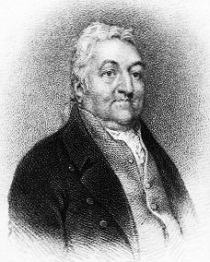 and was about the pleasures of wine and love. He played as organist at the Three Choirs Festival in 1790 at
Gloucester. In 1836 he died at the age of 85.
and was about the pleasures of wine and love. He played as organist at the Three Choirs Festival in 1790 at
Gloucester. In 1836 he died at the age of 85.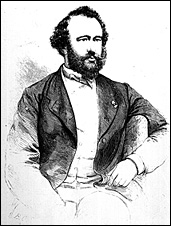 to give his name to a musical instrument. Born in Belgium
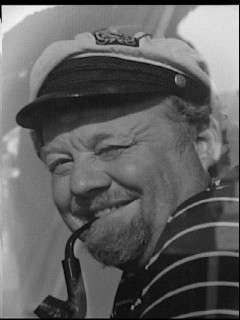 and stage and screen actor. After spending his early 20s traveling the
country as an itinerant singer, Ives moved to New York City in 1937. By
the end of 1938, he had made his Broadway debut, and he also sang folk
songs in Greenwich Village clubs. In 1940, Ives began to appear regularly
on radio, including his own show, The Wayfarin' Stranger, on CBS. Ives
made his first records for Stinson, a small folk label, then was signed to
Decca, a major label. He made his movie debut in Smoky in 1946. In 1948,
his first book, Wayfaring Stranger, was published. In 1949, he had his
first chart hit with "Lavender Blue (Dilly Dilly)." The same year, he
moved to Columbia Records. With the advent of the long - playing record,
Ives suddenly had a flurry of LP releases from his three labels: The
Wayfaring Stranger on Stinson; three volumes of Ballads & Folk Songs,
Women: Folk Songs About the Fair Sex, Folk Songs Dramatic and Humorous,
and Christmas Day in the Morning on Decca; and Wayfaring Stranger, Return
of the Wayfaring Stranger, More Folk Songs, American Hymns, The Animal
Fair and Mother Goose Songs on Columbia. He also recorded a series of
albums for Encyclopedia Brittanica Films under the overall title
Historical America in Song. In 1951, he hit the Top Ten with "On Top of
Old Smoky." In 1952, he returned to Decca. While continuing to publish
books and to act on Broadway and in the movies, Ives made a series of
albums that included Coronation Concert, The Wild Side of Life, Men, Down
to the Sea in Ships, In the Quiet of the Night, Burl Ives Sings for Fun,
Songs of Ireland, Old Time Varieties, Captain Burl Ives' Ark, Australian
Folk Songs, and Cheers, all released in the second half of the 1950s. In
1961, Ives oriented himself toward country music, resulting in the hit "A
Little Bitty Tear," which made the Top Ten in both the pop and country
charts. The single was contained on The Versatile Burl Ives. "Funny Way of
Laughin'" was another pop and country Top Ten in 1962; it appeared on It's
Just My Funny Way of Laughin' and won Ives a Grammy Award for Best Country
Western Recording. He turned his attention primarily to movie work from
1963 on, especially with the Walt Disney studio. But he charted with
Pearly Shells in 1964 and made a children's album, Chim Chim Cheree and
Other Children's Choices, for Disney Buena Vista Records. At the end of
the '60s, Ives returned to Columbia Records for The Times They Are A -
Changin' and Softly and Tenderly. He gave up popular recording, but
returned in 1973 with the country album Payin' My Dues Again. He also
continued to record children's music and also released several religious
albums on Word Records. Turning 70 in 1979, he became less active and
finally retired to Washington State. In the '90s, Decca and the German
Bear Family label reissued many of his recordings.
and stage and screen actor. After spending his early 20s traveling the
country as an itinerant singer, Ives moved to New York City in 1937. By
the end of 1938, he had made his Broadway debut, and he also sang folk
songs in Greenwich Village clubs. In 1940, Ives began to appear regularly
on radio, including his own show, The Wayfarin' Stranger, on CBS. Ives
made his first records for Stinson, a small folk label, then was signed to
Decca, a major label. He made his movie debut in Smoky in 1946. In 1948,
his first book, Wayfaring Stranger, was published. In 1949, he had his
first chart hit with "Lavender Blue (Dilly Dilly)." The same year, he
moved to Columbia Records. With the advent of the long - playing record,
Ives suddenly had a flurry of LP releases from his three labels: The
Wayfaring Stranger on Stinson; three volumes of Ballads & Folk Songs,
Women: Folk Songs About the Fair Sex, Folk Songs Dramatic and Humorous,
and Christmas Day in the Morning on Decca; and Wayfaring Stranger, Return
of the Wayfaring Stranger, More Folk Songs, American Hymns, The Animal
Fair and Mother Goose Songs on Columbia. He also recorded a series of
albums for Encyclopedia Brittanica Films under the overall title
Historical America in Song. In 1951, he hit the Top Ten with "On Top of
Old Smoky." In 1952, he returned to Decca. While continuing to publish
books and to act on Broadway and in the movies, Ives made a series of
albums that included Coronation Concert, The Wild Side of Life, Men, Down
to the Sea in Ships, In the Quiet of the Night, Burl Ives Sings for Fun,
Songs of Ireland, Old Time Varieties, Captain Burl Ives' Ark, Australian
Folk Songs, and Cheers, all released in the second half of the 1950s. In
1961, Ives oriented himself toward country music, resulting in the hit "A
Little Bitty Tear," which made the Top Ten in both the pop and country
charts. The single was contained on The Versatile Burl Ives. "Funny Way of
Laughin'" was another pop and country Top Ten in 1962; it appeared on It's
Just My Funny Way of Laughin' and won Ives a Grammy Award for Best Country
Western Recording. He turned his attention primarily to movie work from
1963 on, especially with the Walt Disney studio. But he charted with
Pearly Shells in 1964 and made a children's album, Chim Chim Cheree and
Other Children's Choices, for Disney Buena Vista Records. At the end of
the '60s, Ives returned to Columbia Records for The Times They Are A -
Changin' and Softly and Tenderly. He gave up popular recording, but
returned in 1973 with the country album Payin' My Dues Again. He also
continued to record children's music and also released several religious
albums on Word Records. Turning 70 in 1979, he became less active and
finally retired to Washington State. In the '90s, Decca and the German
Bear Family label reissued many of his recordings.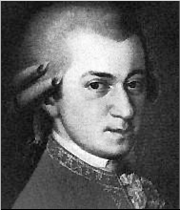 until he was
three years old, Mozart's talent for music soon became apparent. At the
age of four, he could reproduce on the piano a melody played to him; at
five, he could play the violin with perfect intonation; and at six he
composed his first minuet.
As the young Mozart's reputation grew, his father Leopold realized the
financial rewards that could arise from increased exposure of his son's
talents. From that time on, Wolfgang and his sister Nannerl spent much of
their childhood traveling through Europe. The rulers of Europe and England
were astounded by Wolfgang's abilities of composition, improvisations, and
sight reading. While the public admired Wolfgang for his talents, they
disapproved quite heartily of his father, saying extensive voyages and
frequent exhibitions were no life for the child.
Mozart become the concertmaster for the Archbishop of Salzburg in 1771.
After spending frustrating and unproductive years serving the Archbishop,
Mozart resigned. He promptly moved to Vienna where his creative energies
flourished. There Mozart met and was influenced by Hayden, who came to
love him like his own son. He told Leopold Mozart, "I consider your son to
be the greatest composer I have ever heard."
until he was
three years old, Mozart's talent for music soon became apparent. At the
age of four, he could reproduce on the piano a melody played to him; at
five, he could play the violin with perfect intonation; and at six he
composed his first minuet.
As the young Mozart's reputation grew, his father Leopold realized the
financial rewards that could arise from increased exposure of his son's
talents. From that time on, Wolfgang and his sister Nannerl spent much of
their childhood traveling through Europe. The rulers of Europe and England
were astounded by Wolfgang's abilities of composition, improvisations, and
sight reading. While the public admired Wolfgang for his talents, they
disapproved quite heartily of his father, saying extensive voyages and
frequent exhibitions were no life for the child.
Mozart become the concertmaster for the Archbishop of Salzburg in 1771.
After spending frustrating and unproductive years serving the Archbishop,
Mozart resigned. He promptly moved to Vienna where his creative energies
flourished. There Mozart met and was influenced by Hayden, who came to
love him like his own son. He told Leopold Mozart, "I consider your son to
be the greatest composer I have ever heard."  In 1782, Mozart married Constanze Weber, the sister of his long-time love
Aloysia. His father disapproved of his son's choice of bride and
lifestyle. The newlyweds lived the carefree gypsy life constantly moving
from house to house, spending money frivolously.
In 1784, Lorenzo Da Ponte presented Mozart the libretto for The Marriage
of Figaro and a long collaboration between the two began. Figaro premiered
in 1786 to an enthusiastic crowd. The two continued their initial success
with another: Don Giovanni, which received its premiere in Prague in 1787.
Later that same year, Wolfgang's father died, leaving the 31-year old
alone for the first time.
In 1782, Mozart married Constanze Weber, the sister of his long-time love
Aloysia. His father disapproved of his son's choice of bride and
lifestyle. The newlyweds lived the carefree gypsy life constantly moving
from house to house, spending money frivolously.
In 1784, Lorenzo Da Ponte presented Mozart the libretto for The Marriage
of Figaro and a long collaboration between the two began. Figaro premiered
in 1786 to an enthusiastic crowd. The two continued their initial success
with another: Don Giovanni, which received its premiere in Prague in 1787.
Later that same year, Wolfgang's father died, leaving the 31-year old
alone for the first time. 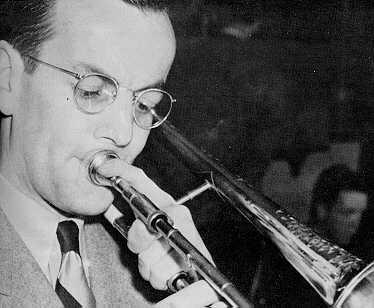 generation.
  tranquil in Georgetown. The British had entered
Chesapeake Bay on August 19th, 1814, and by the evening of the 24th of
August, the British had invaded and captured Washington. They set fire to
the Capitol and the White House, the flames visible 40 miles away in
Baltimore.
tranquil in Georgetown. The British had entered
Chesapeake Bay on August 19th, 1814, and by the evening of the 24th of
August, the British had invaded and captured Washington. They set fire to
the Capitol and the White House, the flames visible 40 miles away in
Baltimore.  most creative and resourceful composers in the history of music, Haydn’s
achievements have been overshadowed by the colossal figures of Mozart and
Beethoven. But Haydn--who was born more than twenty years before Mozart
and almost forty years before Beethoven--is unquestionably their equal,
and his influence was crucial for both of these younger composers. Haydn
almost single-handedly developed the symphony, the string quartet and the
piano sonata into complex and meaningful structures. Many composers still
write music based on the models developed by Haydn more than two hundred
years ago.
Born to a poor, but musical family, Haydn was sent to Vienna to become a
choirboy at Saint Stephen’s Cathedral. The Cathedral provided Haydn with
musical instruction, and he learned how to play keyboard instruments
(harpsichord, organ, etc.) and violin. Leaving the choir school and making
a living as a musician was difficult and Haydn spent ten long, difficult
years trying to scrape together enough money for food and rent. In 1759,
Haydn got his first job working for Count Morzin, for whom the composer
wrote his first symphony. Less than two years later, Haydn was hired by
the Esterhazys, a very wealthy aristocratic family.
Although Haydn was clearly a servant of the Esterhazys, the situation was
extremely advantageous for the young composer. Nikolaus Esterhazy was a
great music lover, and retained an ensemble of first-rate musicians. Haydn
flourished creatively, writing symphonies, string quartets, operas and
many other works. He was extremely prolific and appreciated by his
employer. Although Haydn spent much of his time at the Esterhazy estate,
some thirty miles away from Vienna, he later claimed that the isolation
helped him to be original.
most creative and resourceful composers in the history of music, Haydn’s
achievements have been overshadowed by the colossal figures of Mozart and
Beethoven. But Haydn--who was born more than twenty years before Mozart
and almost forty years before Beethoven--is unquestionably their equal,
and his influence was crucial for both of these younger composers. Haydn
almost single-handedly developed the symphony, the string quartet and the
piano sonata into complex and meaningful structures. Many composers still
write music based on the models developed by Haydn more than two hundred
years ago.
Born to a poor, but musical family, Haydn was sent to Vienna to become a
choirboy at Saint Stephen’s Cathedral. The Cathedral provided Haydn with
musical instruction, and he learned how to play keyboard instruments
(harpsichord, organ, etc.) and violin. Leaving the choir school and making
a living as a musician was difficult and Haydn spent ten long, difficult
years trying to scrape together enough money for food and rent. In 1759,
Haydn got his first job working for Count Morzin, for whom the composer
wrote his first symphony. Less than two years later, Haydn was hired by
the Esterhazys, a very wealthy aristocratic family.
Although Haydn was clearly a servant of the Esterhazys, the situation was
extremely advantageous for the young composer. Nikolaus Esterhazy was a
great music lover, and retained an ensemble of first-rate musicians. Haydn
flourished creatively, writing symphonies, string quartets, operas and
many other works. He was extremely prolific and appreciated by his
employer. Although Haydn spent much of his time at the Esterhazy estate,
some thirty miles away from Vienna, he later claimed that the isolation
helped him to be original. 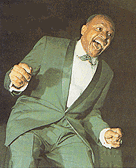 on
was awarded the National Medal of Arts on January 9th, but he deserved
another medal for perseverance and bravery for having arrived to accept it
at all. Barely two days before the ceremony, a raging five-alarm fire
swept through his apartment in a 43-story highrise near Lincoln Center in
New York, destroying all of his possessions. Apparently, the fire started
when a halogen lamp tipped over in Hampton's apartment and ignited a bed.
The 88-year-old Hampton was left shaken, but sound. Gone, however, were
the mementos of his seven-decade career which included signed photographs
by a number of Presidents, sheet music, recordings, instruments, and even
the tuxedo he had been planning to wear. When President Clinton said
during the Medals ceremony, "We are glad to see Lionel Hampton here safe
and sound," the more than 500 guests broke into applause.
Even as the fire began to devour his apartment, Hampton, who suffered a
stroke in 1993, did not want to leave. He was brought out in a wheel chair
with a robe over his pajamas and tucked in a blanket. According to a
New York Times article, he asked Reuben Cox, an aide, about a piece of
music, "Where is my 'King David's Suite?"
Cox replied, "Mr. Hampton, everything is in your apartment." Another aide,
Caprice Titone, said, "There is nothing left, Lionel."
For the Medal of Arts ceremony, Representative Charles Rangel (D-N.Y.)
borrowed a dark gray suite, white shirt and scarlet tie for him. Even the
wheelchair was donated. As Hampton commented to the Washington Post,
"Everything was burnt up. Now it's nailed up." Following the ceremony and
presiding over a circle of press, Hampton appeared pleased, somewhat
tired, but overall unfazed by the trauma of the fire and the excitement of
the awards.
With the presentation of the Medal of Arts and the photos of himself with
the President and First Lady, Lionel Hampton can begin his collection
anew. He can also add the President's words of praise from that day.
Clinton said, "A legendary bandleader, singer, and the first musician to
make the vibraphone sing and swing, he has been delighting jazz audiences
for over half a century. Anyone who has ever heard his music knows that he
is much more than a performer, he is a pioneer." When Louis Armstrong invited him to play the vibraphones at a recording
session in 1930, he realized he had found his calling. He mastered the
vibes quickly and performed the first jazz vibraphone solo ever recorded.
In 1936, he joined the Benny Goodman Trio, but soon formed his own band
and over the years has nurtured the talents of many jazz leaders,
including Quincy Jones and Dinah Washington. He is a lion of American
music and he still makes the vibraphone sing."
Lionel Hampton is one of the great jazz musicians and bandleaders of the
swing era. A vibraphone virtuoso, he was born in 1908 in Louisville,
Kentucky, and began his early studies of music in Kenosha, Wisconsin. As a
child, he also played bass drum in the band of the Chicago Defender
newspaper. Hampton has broken artistic ground in many areas. After he
moved to California, he was discovered by Benny Goodman in Los Angeles.
Goodman's Trio -- later a Quartet -- was the first racially integrated
jazz group in the nation. In 1940, encouraged by his wife and impresario
Joe Glaser, he formed a big band which quickly gained popularity,
producing the hit "Flying Home" in 1942. From 1953 onwards, he made
regular appearances in Europe and later in Israel, Australia and Japan --
gathering fans as he went. As a composer, his work "Midnight Sun" became a
jazz classic and his two major symphonic works, "The King David Suite," --
the piece he asked about after the fire -- and "Blues Suite," have been
performed by major orchestras throughout the world.
The 1996 Medal of Arts is far from being Hampton's first honor. During his
long career, he has been a frequent guest and performer at the White House
where he has performed for every president since Harry Truman.
In 1992, Hampton received the Kennedy Center Honors award, and in 1995,
was the focus of a Kennedy Center all-star gala. In 1996, "Flying Home"
was entered into the Grammy Hall of Fame, and the University of Idaho
named its music school after him. He holds more than 15 honorary doctorate
degrees.
Overall, Hampton's contributions to the excellence, growth and
availability of jazz have been extraordinary and equalled by few.
Undaunted by fire and buoyed by honors and attention, Lionel Hampton still
shines among stars. Never one to rest on his laurels, Hampton has been
signed up to play for the Clinton inaugural parties in Washington, D.C.,
said Representative Rangel. Seizing yet another opportunity, Hampton
himself said he is composing music that he plans to call "Fire in the
Sky."
on
was awarded the National Medal of Arts on January 9th, but he deserved
another medal for perseverance and bravery for having arrived to accept it
at all. Barely two days before the ceremony, a raging five-alarm fire
swept through his apartment in a 43-story highrise near Lincoln Center in
New York, destroying all of his possessions. Apparently, the fire started
when a halogen lamp tipped over in Hampton's apartment and ignited a bed.
The 88-year-old Hampton was left shaken, but sound. Gone, however, were
the mementos of his seven-decade career which included signed photographs
by a number of Presidents, sheet music, recordings, instruments, and even
the tuxedo he had been planning to wear. When President Clinton said
during the Medals ceremony, "We are glad to see Lionel Hampton here safe
and sound," the more than 500 guests broke into applause.
Even as the fire began to devour his apartment, Hampton, who suffered a
stroke in 1993, did not want to leave. He was brought out in a wheel chair
with a robe over his pajamas and tucked in a blanket. According to a
New York Times article, he asked Reuben Cox, an aide, about a piece of
music, "Where is my 'King David's Suite?"
Cox replied, "Mr. Hampton, everything is in your apartment." Another aide,
Caprice Titone, said, "There is nothing left, Lionel."
For the Medal of Arts ceremony, Representative Charles Rangel (D-N.Y.)
borrowed a dark gray suite, white shirt and scarlet tie for him. Even the
wheelchair was donated. As Hampton commented to the Washington Post,
"Everything was burnt up. Now it's nailed up." Following the ceremony and
presiding over a circle of press, Hampton appeared pleased, somewhat
tired, but overall unfazed by the trauma of the fire and the excitement of
the awards.
With the presentation of the Medal of Arts and the photos of himself with
the President and First Lady, Lionel Hampton can begin his collection
anew. He can also add the President's words of praise from that day.
Clinton said, "A legendary bandleader, singer, and the first musician to
make the vibraphone sing and swing, he has been delighting jazz audiences
for over half a century. Anyone who has ever heard his music knows that he
is much more than a performer, he is a pioneer." When Louis Armstrong invited him to play the vibraphones at a recording
session in 1930, he realized he had found his calling. He mastered the
vibes quickly and performed the first jazz vibraphone solo ever recorded.
In 1936, he joined the Benny Goodman Trio, but soon formed his own band
and over the years has nurtured the talents of many jazz leaders,
including Quincy Jones and Dinah Washington. He is a lion of American
music and he still makes the vibraphone sing."
Lionel Hampton is one of the great jazz musicians and bandleaders of the
swing era. A vibraphone virtuoso, he was born in 1908 in Louisville,
Kentucky, and began his early studies of music in Kenosha, Wisconsin. As a
child, he also played bass drum in the band of the Chicago Defender
newspaper. Hampton has broken artistic ground in many areas. After he
moved to California, he was discovered by Benny Goodman in Los Angeles.
Goodman's Trio -- later a Quartet -- was the first racially integrated
jazz group in the nation. In 1940, encouraged by his wife and impresario
Joe Glaser, he formed a big band which quickly gained popularity,
producing the hit "Flying Home" in 1942. From 1953 onwards, he made
regular appearances in Europe and later in Israel, Australia and Japan --
gathering fans as he went. As a composer, his work "Midnight Sun" became a
jazz classic and his two major symphonic works, "The King David Suite," --
the piece he asked about after the fire -- and "Blues Suite," have been
performed by major orchestras throughout the world.
The 1996 Medal of Arts is far from being Hampton's first honor. During his
long career, he has been a frequent guest and performer at the White House
where he has performed for every president since Harry Truman.
In 1992, Hampton received the Kennedy Center Honors award, and in 1995,
was the focus of a Kennedy Center all-star gala. In 1996, "Flying Home"
was entered into the Grammy Hall of Fame, and the University of Idaho
named its music school after him. He holds more than 15 honorary doctorate
degrees.
Overall, Hampton's contributions to the excellence, growth and
availability of jazz have been extraordinary and equalled by few.
Undaunted by fire and buoyed by honors and attention, Lionel Hampton still
shines among stars. Never one to rest on his laurels, Hampton has been
signed up to play for the Clinton inaugural parties in Washington, D.C.,
said Representative Rangel. Seizing yet another opportunity, Hampton
himself said he is composing music that he plans to call "Fire in the
Sky."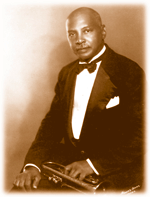 side
of Florence, Alabama.
The future composer of "St. Louis Blues" and "Beale Street Blues" spent
his childhood in the post-slavery South of the late 19th century.
side
of Florence, Alabama.
The future composer of "St. Louis Blues" and "Beale Street Blues" spent
his childhood in the post-slavery South of the late 19th century. on to Beethoven and Shubert. The list is endless, but the golden web of
music has paved the way for minds like Bach to elevate art to the highest
degree of intellect.
on to Beethoven and Shubert. The list is endless, but the golden web of
music has paved the way for minds like Bach to elevate art to the highest
degree of intellect.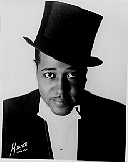 dy
(Duke) Ellington was born April 29, 1899. His father was James William
Ellington. He had little education, yet he still developed good speech,
dress, and deportment. Times were bad in the south when he was young.
Agriculture was depressed and Jim Crow laws were in effect. This caused
many blacks to move north, including James Ellington. Duke's mother, Daisy Kennedy Ellington, had never worked full-time.
Together with James, they lived comfortably as middle-class citizens. They
weren't wealthy but they weren't always poor. They married on April 29,
1899 and Daisy gave birth to Edward Kennedy Ellington. She could have
married someone higher up on the social scale but she must have been
attracted by James' wits and manner. Edward Kennedy Ellington got the name "Duke" from his friends and
family. The name seemed to have fit him well; it fit his personality well
and stuck with him all through high school. Duke Ellington grew up
listening to black music, such as ragtime. At the time, jazz was
considered low and vulgar by most respectable and sophisticated people
such as the Ellingtons.
dy
(Duke) Ellington was born April 29, 1899. His father was James William
Ellington. He had little education, yet he still developed good speech,
dress, and deportment. Times were bad in the south when he was young.
Agriculture was depressed and Jim Crow laws were in effect. This caused
many blacks to move north, including James Ellington. Duke's mother, Daisy Kennedy Ellington, had never worked full-time.
Together with James, they lived comfortably as middle-class citizens. They
weren't wealthy but they weren't always poor. They married on April 29,
1899 and Daisy gave birth to Edward Kennedy Ellington. She could have
married someone higher up on the social scale but she must have been
attracted by James' wits and manner. Edward Kennedy Ellington got the name "Duke" from his friends and
family. The name seemed to have fit him well; it fit his personality well
and stuck with him all through high school. Duke Ellington grew up
listening to black music, such as ragtime. At the time, jazz was
considered low and vulgar by most respectable and sophisticated people
such as the Ellingtons. 

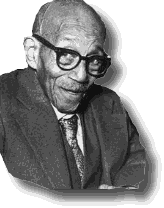 or five, Blake began playing his family's pump organ. Noticing his
interest in music, Blake's parents signed him up for piano lessons with a
neighborhood teacher. In 1898, at the age of 15, Blake became interested
in ragtime, to his mother's dismay. Against her wishes and without her
knowing, he began his professional music career by playing ragtime piano
in Baltimore brothels, honky tonks and bars. He later played in clubs and
saloons. Blake's work led him to meet the major musicians of the time. One
of whom, Noble Sissle, would later become his partner. The pair met in
1915. Sissle joined Blake's band as a singer. Noble Sissle and Eubie Blake
created an vaudeville act, the Dixie Duo. They wrote songs and performed.
Sophie Tucker sang their first song, "It's all your fault." The song was
an instant hit. Then Blake and Sissle teamed up with another duo to create
Shuffle Along The Broadway all-star cast included Josephine Baker
Florence Mills and Paul Robeson. Many of Blake's most famous songs come
from Shuffle Along including "I'm Just Wild about Harry" and "Love
Will Find a Way". The play was so popular that in 1921 it was being
performed by three different touring companies. After the success of
Shuffle Along , Blake and Sissle collaborated on Elsie and
Chocolat Dandies. Blake also created some shows on his own including
Swing It, Blackbirds and Eubie! Then, as the popularity of
ragtime faded, Eubie Blake took a twenty-three year break from show
business. In 1969, at the age of 56 he returned. Blake toured the world
playing piano and giving lectures on ragtime music. He made an album
called The Fifty-six Years of Blake and he formed his own company.
Just over one hundred years after his life began, on February 12, 1983,
Eubie Blake died in Brooklyn, New York.
or five, Blake began playing his family's pump organ. Noticing his
interest in music, Blake's parents signed him up for piano lessons with a
neighborhood teacher. In 1898, at the age of 15, Blake became interested
in ragtime, to his mother's dismay. Against her wishes and without her
knowing, he began his professional music career by playing ragtime piano
in Baltimore brothels, honky tonks and bars. He later played in clubs and
saloons. Blake's work led him to meet the major musicians of the time. One
of whom, Noble Sissle, would later become his partner. The pair met in
1915. Sissle joined Blake's band as a singer. Noble Sissle and Eubie Blake
created an vaudeville act, the Dixie Duo. They wrote songs and performed.
Sophie Tucker sang their first song, "It's all your fault." The song was
an instant hit. Then Blake and Sissle teamed up with another duo to create
Shuffle Along The Broadway all-star cast included Josephine Baker
Florence Mills and Paul Robeson. Many of Blake's most famous songs come
from Shuffle Along including "I'm Just Wild about Harry" and "Love
Will Find a Way". The play was so popular that in 1921 it was being
performed by three different touring companies. After the success of
Shuffle Along , Blake and Sissle collaborated on Elsie and
Chocolat Dandies. Blake also created some shows on his own including
Swing It, Blackbirds and Eubie! Then, as the popularity of
ragtime faded, Eubie Blake took a twenty-three year break from show
business. In 1969, at the age of 56 he returned. Blake toured the world
playing piano and giving lectures on ragtime music. He made an album
called The Fifty-six Years of Blake and he formed his own company.
Just over one hundred years after his life began, on February 12, 1983,
Eubie Blake died in Brooklyn, New York.
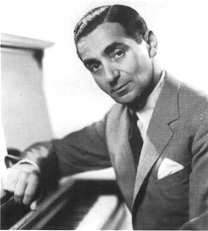 Kern's famous maxim, that "Irving Berlin has no place in American music -
he is American music".
Irving Berlin was born Israel Berlin in May 1888. When his father died,
Berlin, just turned 13, took to the streets in various jobs, working as a
buster, singing for pennies, then as a singer / waiter in a Chinatown
café. In 1907 he published his first song, Marie From Sunny Italy and by
1911 he had his first major international hit, Alexander's Ragtime Band.
Over the next five decades, Irving Berlin produced an outpouring of
ballads, dance numbers, novelty tunes and love songs that defined American
popular song for much of the century. A sampling of just some of the
Irving Berlin standards included: How Deep Is the Ocean?, Blue Skies,
White Christmas, Always, Anything You Can Do, I Can Do Better, There's No
Business Like Show Business, Cheek To Cheek, Puttin' On The Ritz, A Pretty
Girl Is Like A Melody, Heatwave, Easter Parade, and Lets Face The Music
And Dance. In a class by itself is his beloved paean to his beloved
country, God Bless America.
Kern's famous maxim, that "Irving Berlin has no place in American music -
he is American music".
Irving Berlin was born Israel Berlin in May 1888. When his father died,
Berlin, just turned 13, took to the streets in various jobs, working as a
buster, singing for pennies, then as a singer / waiter in a Chinatown
café. In 1907 he published his first song, Marie From Sunny Italy and by
1911 he had his first major international hit, Alexander's Ragtime Band.
Over the next five decades, Irving Berlin produced an outpouring of
ballads, dance numbers, novelty tunes and love songs that defined American
popular song for much of the century. A sampling of just some of the
Irving Berlin standards included: How Deep Is the Ocean?, Blue Skies,
White Christmas, Always, Anything You Can Do, I Can Do Better, There's No
Business Like Show Business, Cheek To Cheek, Puttin' On The Ritz, A Pretty
Girl Is Like A Melody, Heatwave, Easter Parade, and Lets Face The Music
And Dance. In a class by itself is his beloved paean to his beloved
country, God Bless America.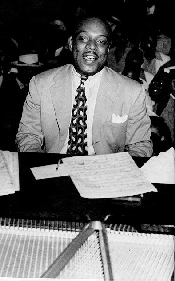 decade after his death, not only led two of the finest jazz orchestras
ever, but he redefined the role of the piano in the rhythm section.
Originally a stride pianist, Basie had such a strong rhythm section in the
mid 1930s that he pared down his style drastically, eliminating the
oom-pah timekeeping function of his left hand.
decade after his death, not only led two of the finest jazz orchestras
ever, but he redefined the role of the piano in the rhythm section.
Originally a stride pianist, Basie had such a strong rhythm section in the
mid 1930s that he pared down his style drastically, eliminating the
oom-pah timekeeping function of his left hand.